





Can a Plumber Fix a Boiler? Here’s What You Need to Know

10 minutes read
Key Takeaways
- A plumber can handle minor boiler issues, like leaks, low pressure, and faulty valves.
- More complex boiler issues, like gas problems or electrical malfunctions, require a heating engineer or a Gas Safe professional.
- Understanding when to call a plumber vs. a heating engineer can save you time, money, and unnecessary stress.
- The costs of boiler repairs vary depending on whether you need a plumber or a heating engineer, with heating engineers generally being more expensive for specialized services.
Yes, a plumber can fix a boiler, but only certain issues related to plumbing. If your boiler has minor problems like leaks, pressure drops, or issues with the valves or controls, a plumber can assist. However, if your boiler is having more serious problems, such as gas leaks or internal electrical malfunctions, it’s best to call a heating engineer or a Gas Safe registered professional.
Introduction: The Boiler Dilemma – Plumber or Heating Engineer?
Picture this: You wake up one chilly morning, excited to get some hot water for a refreshing shower, only to find your boiler isn’t working. Panic sets in, right? You know something’s wrong, but who do you call? The plumber down the street, or the heating engineer who came to check your radiators last year?
Trust me, I’ve been there—standing in front of my boiler, asking myself the same question. And while the answer might seem obvious, it’s a bit more complicated than you think. Many homeowners make the mistake of assuming that all boiler problems fall under the umbrella of plumbing. The truth is, boilers are more complex than you might realize, and not all plumbing professionals are trained to handle them.
So, in this post, let’s get down to the nitty-gritty of boiler repairs. I’ll walk you through exactly what a plumber can—and can’t—do when it comes to your boiler, when to call a heating engineer instead, and how to make sure you’re not stuck in the cold (literally!) waiting for the wrong person to fix your boiler.
The Role of a Plumber in Boiler Repairs
What Plumbers Are Trained to Handle When It Comes to Boilers
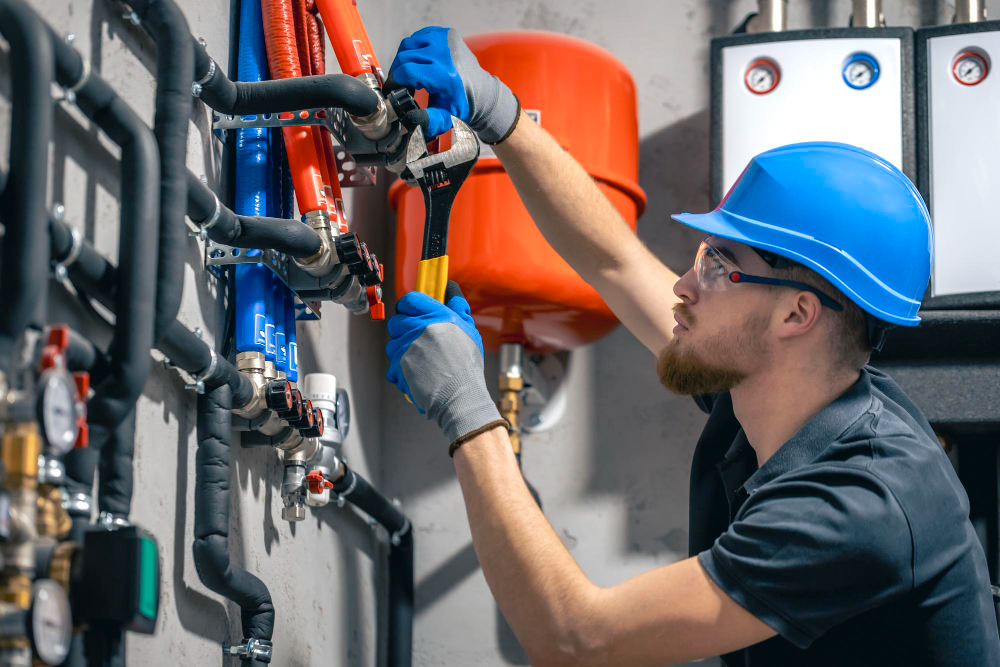
Plumbers are your go-to pros for a range of issues that may arise with your boiler’s plumbing components. While they don’t dive into the internal workings of the boiler itself, they can certainly help with plumbing-related issues.
Here’s a quick breakdown of what a plumber can do for your boiler:
- Leaking pipes: If you’ve got a leaking pipe connected to the boiler, a plumber can fix it.
- Pressure problems: Low water pressure or fluctuating pressure? That’s a plumber’s territory.
- Radiator issues: A plumber can help you with radiator valve problems or leaks related to the heating system.
- Faulty controls or valves: Sometimes, the issue is with the controls or valves that manage water flow, and a plumber can usually sort that out.
When It’s Appropriate to Call a Plumber for Boiler Problems
If you notice your boiler system isn’t functioning as it should but the issue seems to be plumbing-related (like a leak, pressure drop, or thermostat malfunction), a plumber might be the right call. They’ll come in, check the plumbing components, and take care of the issue without having to deal with the boiler’s complex internal systems.
When to Call a Heating Engineer Instead of a Plumber
What Makes a Heating Engineer Qualified for Boiler Repairs
Heating engineers specialize in systems that keep your home warm, and they have the training to handle more intricate issues with boilers. If your boiler isn’t just leaking or lacking pressure, but has more serious problems—especially those that involve gas or electricity—then it’s time to call a heating engineer.
Heating engineers are usually Gas Safe registered, which means they’re legally qualified to work with gas appliances, including your boiler. Plumbers, on the other hand, don’t usually have this certification, which is why heating engineers are the go-to for gas-related problems.
Key Signs You Need a Heating Engineer
- Gas leaks: If you smell gas or suspect a leak, you need a heating engineer to ensure safety.
- Electrical issues: If your boiler isn’t firing up or has electrical faults, a heating engineer is the expert here.
- Internal boiler problems: If the boiler is malfunctioning internally (broken components, strange noises, or failure to heat), a heating engineer will have the knowledge to repair it safely.
- Boiler breakdowns: Serious issues that cause your boiler to completely fail, like a malfunctioning heat exchanger, require an engineer.
Types of Repairs Heating Engineers Handle That Plumbers Typically Don’t
Here are a few key tasks that only heating engineers can perform:
- Fixing gas-related issues, such as leaks or pressure problems in the gas line.
- Replacing or fixing internal boiler parts, including the heat exchanger, pump, or burner.
- Handling complex electrical or control systems in the boiler.
Common Boiler Problems a Plumber Can Fix
Leaking Pipes and Radiators
While the boiler itself may not be leaking, the pipes or radiators connected to it can be a problem. If you notice water pooling around the boiler or a radiator, a plumber can track down the issue. They’re experts at sealing leaks and replacing faulty connections that may be causing the problem.
Pressure Issues
If your boiler pressure is low or fluctuating, it could be due to a problem with the plumbing system, like a broken pressure valve or air trapped in the system. A plumber can help reset the pressure, replace faulty parts, or even bleed the radiators to get things flowing smoothly again.
Faulty Controls, Valves, and Thermostats
Your boiler relies on an intricate system of controls and valves to manage heat. If any of these are malfunctioning, it can lead to issues like inconsistent temperatures or a boiler that refuses to turn on. A plumber can usually diagnose and fix minor issues with the thermostat, valve, or control system that might be causing the problem.
What a Plumber Can’t Do: When to Call a Specialist
Major Gas-Related Issues
When it comes to anything gas-related, it’s crucial to call a certified professional. Gas Safe engineers are the only ones legally allowed to handle gas appliances like your boiler. If you’re dealing with gas leaks, carbon monoxide problems, or anything that involves the gas line, it’s best to step back and leave it to the experts.
Dealing with Complex Electrical or Internal Boiler Components
Internal boiler components, such as the heat exchanger or burner, require specialized knowledge and tools to fix. Plumbers typically aren’t trained to deal with these, so it’s best to call a heating engineer.
Serious Boiler Breakdowns
If your boiler is completely broken down and you’re facing a large-scale failure, like no hot water or heat, you’ll need a heating engineer to assess and fix the deeper mechanical or electrical faults that are causing the issue.
How to Know When It’s Time to Call a Professional for Your Boiler
Warning Signs of Potential Boiler Failure
Not every boiler issue is an emergency, but there are warning signs to watch out for. If you notice any of these, it’s time to call in a professional:
- Your boiler is making strange noises (gurgling, banging, etc.).
- You’re getting inconsistent heating or no hot water.
- You notice a decrease in pressure or leaks around the unit.
- The pilot light won’t stay on, or you have trouble starting the boiler.
Common Early Symptoms That Can Save You from Bigger Issues Later
If you notice any odd behavior, such as uneven heating or unexplained pressure drops, don’t ignore it! Catching issues early means you’ll be able to address them before they turn into costly repairs or full breakdowns.
The Importance of Regular Boiler Maintenance
Just like your car needs regular oil changes, your boiler needs yearly maintenance to run smoothly. Have a professional check it out annually to ensure everything is in top condition. It’s a small price to pay to avoid bigger problems down the road.
Costs Involved: How Much Should You Expect to Pay for a Plumber to Fix Your Boiler?
Average Costs for Minor Repairs a Plumber Can Perform
For smaller issues like leaks, valve problems, or low pressure, plumbers typically charge between £60 and £100 per hour, depending on where you live and how complex the issue is.
Factors That Affect the Cost of Boiler Repairs Handled by Plumbers
- The severity of the issue: Minor issues are cheaper, while bigger fixes require more time and effort.
- Location: Plumbing rates can vary by region.
- Time of day: Emergency plumbing calls or after-hours services can increase the cost.
Comparing the Costs of Plumbers vs. Heating Engineers
Heating engineers tend to be more expensive because they are specialized in boiler repairs and have the necessary certifications to handle gas systems. Expect to pay anywhere from £100 to £200 per hour for a heating engineer.
Tips for Choosing the Right Professional for Your Boiler Problem
Questions to Ask a Plumber Before Hiring Them for Boiler Issues
- Are you qualified to work on boilers?
- Do you have experience with the specific issue I’m facing?
- Can you provide an estimate for the job before starting?
How to Find a Certified Professional (Gas Safe Registration, etc.)
Always ask for proof of certification before hiring a professional to work on your boiler. In the UK, look for Gas Safe registration to ensure they can legally work with gas appliances.
The Importance of Checking Reviews and Seeking Recommendations
It’s always a good idea to check online reviews or ask friends and family for recommendations. A good heating engineer or plumber will have positive feedback from satisfied customers.
Frequently Asked Questions
Can plumbers fix gas boilers?
Plumbers can fix some issues with gas boilers, but for anything gas-related, you need a Gas Safe registered heating engineer.
How can I tell if my boiler issue is plumbing-related?
If your boiler problem is related to water pressure, leaks, or radiator issues, it’s likely plumbing-related and can be handled by a plumber.
What’s the difference between a plumber and a heating engineer when it comes to boilers?
A plumber can handle plumbing-related problems like leaks and pressure issues, while a heating engineer is qualified to fix gas, electrical, and internal boiler issues.
How much should I expect to pay for a plumber to repair my boiler?
For minor repairs, expect to pay between £60 and £100 per hour, depending on your location and the severity of the issue.
Summary
Boiler issues can be tricky, but knowing when to call a plumber versus a heating engineer is key to solving the problem quickly and efficiently. Plumbers can handle minor plumbing issues related to your boiler, like leaks and pressure problems, but for gas leaks or serious mechanical failures, a heating engineer is your best bet. Don’t hesitate to reach out to the right professional to get your boiler up and running smoothly again.


Leave a Comment
You must be logged in to post a comment.